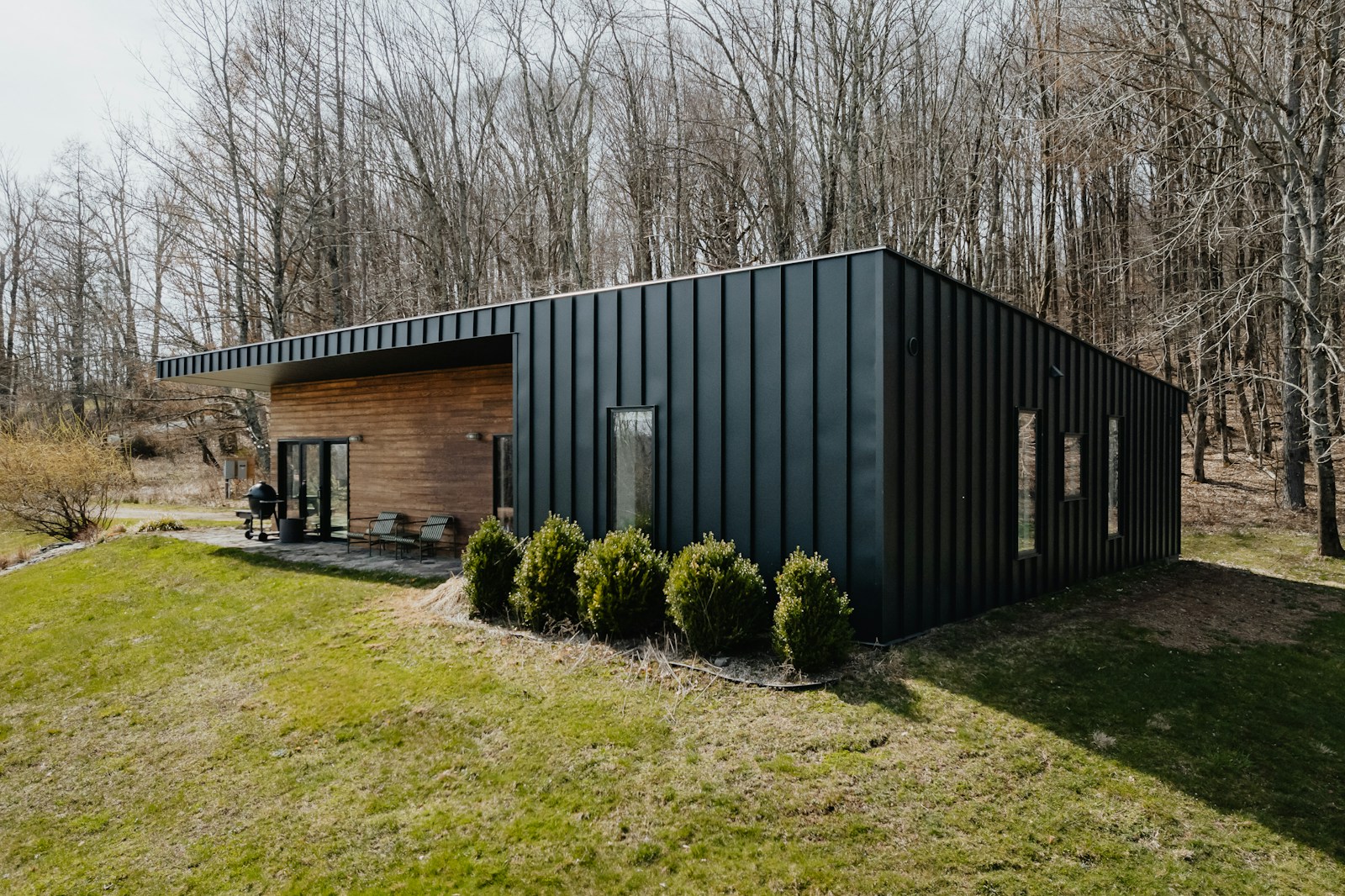

Castle Downs is quickly becoming one of the most desirable areas for homebuyers in northwest Edmonton. With a combination of new development, established community charm, and access to top-tier amenities, Castle Downs real estate is attracting increasing attention from families, first-time buyers, and investors alike. Located in the northwest quadrant of Edmonton, Castle Downs offers a unique blend of affordability, convenience, and lifestyle, making it a standout option in today’s competitive housing market.
Growing Demand for Castle Downs Homes for Sale
One of the key factors driving interest in Castle Downs homes for sale is the continued investment in the area. New school developments nearby are helping support population growth and making the community even more appealing for families looking to settle in a well-connected neighbourhood. For buyers, this means not only access to education but also long-term value. Areas that see infrastructure and school expansion often experience increased demand, which can positively impact property values over time.
Convenient Access to Local Amenities
Another reason why Castle Downs is gaining traction is its proximity to everyday essentials. Residents enjoy easy access to Castle Downs Centre, which features grocery stores, restaurants, and a variety of services. Just a short drive away, Skyview Power Centre offers additional retail options, major brands, and dining experiences. This level of convenience is a major selling point for buyers searching for homes in northwest Edmonton, where accessibility plays a key role in lifestyle and long-term satisfaction.
Recreation and Lifestyle in Castle Downs
For those prioritizing an active lifestyle, Castle Downs delivers. The popular Castle Downs Family YMCA provides fitness facilities, swimming pools, and programs for all ages, making it a central hub for health and community engagement. In addition, the area is known for its abundance of parks and green spaces. Communities within Castle Downs feature walking trails, playgrounds, and open spaces such as Dunluce Park and Caernarvon Park, offering residents the perfect balance between urban living and outdoor recreation.
Why Buyers Are Choosing Castle Downs
Whether you're searching for a starter home, a family-friendly neighborhood, or an investment opportunity, Castle Downs homes offer strong value in Edmonton’s real estate market. The combination of affordability, established infrastructure, and ongoing development makes this area especially attractive for buyers looking to enter or move within the market. As demand continues to grow, now is an excellent time to explore homes for sale in Castle Downs Edmonton. With its ideal location, community-focused design, and access to amenities, Castle Downs is positioned to remain a top choice for homebuyers in northwest Edmonton.
If you're considering buying or investing in Castle Downs real estate, this neighbourhood offers the perfect mix of lifestyle, convenience, and long-term potential.
Ready to explore Castle Downs homes or thinking about buying or selling in northwest Edmonton? I’m here to help you navigate the market with confidence and find the right opportunity for your goals.
Ludovic Aubertin
RE/MAX Real Estate | IconicYEG
📞 587-982-8304
📧 ludovic@iconicyeg.com
🌐 https://ludovic.iconicyeg.com
Let’s connect and make your next move a success.